
15 Years of Precision Engineering
Founded on the principles of clinical accuracy, we have grown from a specialized lab to a global leader in polymer microporous filtration.
Taizhou Wenhao Trading Co., Ltd. is dedicated to providing high-quality medical device components and industrial filtration modules. Our journey is one of continuous innovation in material science, focusing on the rigorous demands of the clinical diagnostics market.

The Four Pillars of Quality
R&D Focused
Proprietary membrane research and testing.
Clinical Standards
ISO 13485 and CE certified manufacturing.
Certified Purity
Class 100 clean-room production environment.
Rapid Customization
Modular OEM solutions for unique filtration needs.
Four Sintering Platforms
Filtration performance starts with the base material. Each platform below is produced in-house, with pore structure tuned to the application rather than pulled from a fixed catalogue.
Sintered UHMWPE / PE
Ultra-high molecular weight polyethylene sintered into rigid porous structures. Chemically inert, biocompatible, and the base for our self-sealing anti-spill media.
Sintered PP
Polypropylene media with strong acid and alkali resistance, used for battery venting plates and aggressive chemical service.
Sintered 316L Stainless
Powder sintered stainless elements for steam filtration, decarbonisation and catalyst recovery where temperature and pressure rule out polymers.
Sintered Bronze
Bronze powder elements for pneumatic silencing and high-pressure gas buffering, balancing noise attenuation against back pressure.
Our Facility
Unannounced photographs from our own production site at Room 301, Building 18, Hongdi Zhongchuang Industrial Park, Shichang Road, Tantou Town, Tiantai County. No stock imagery, no renders.
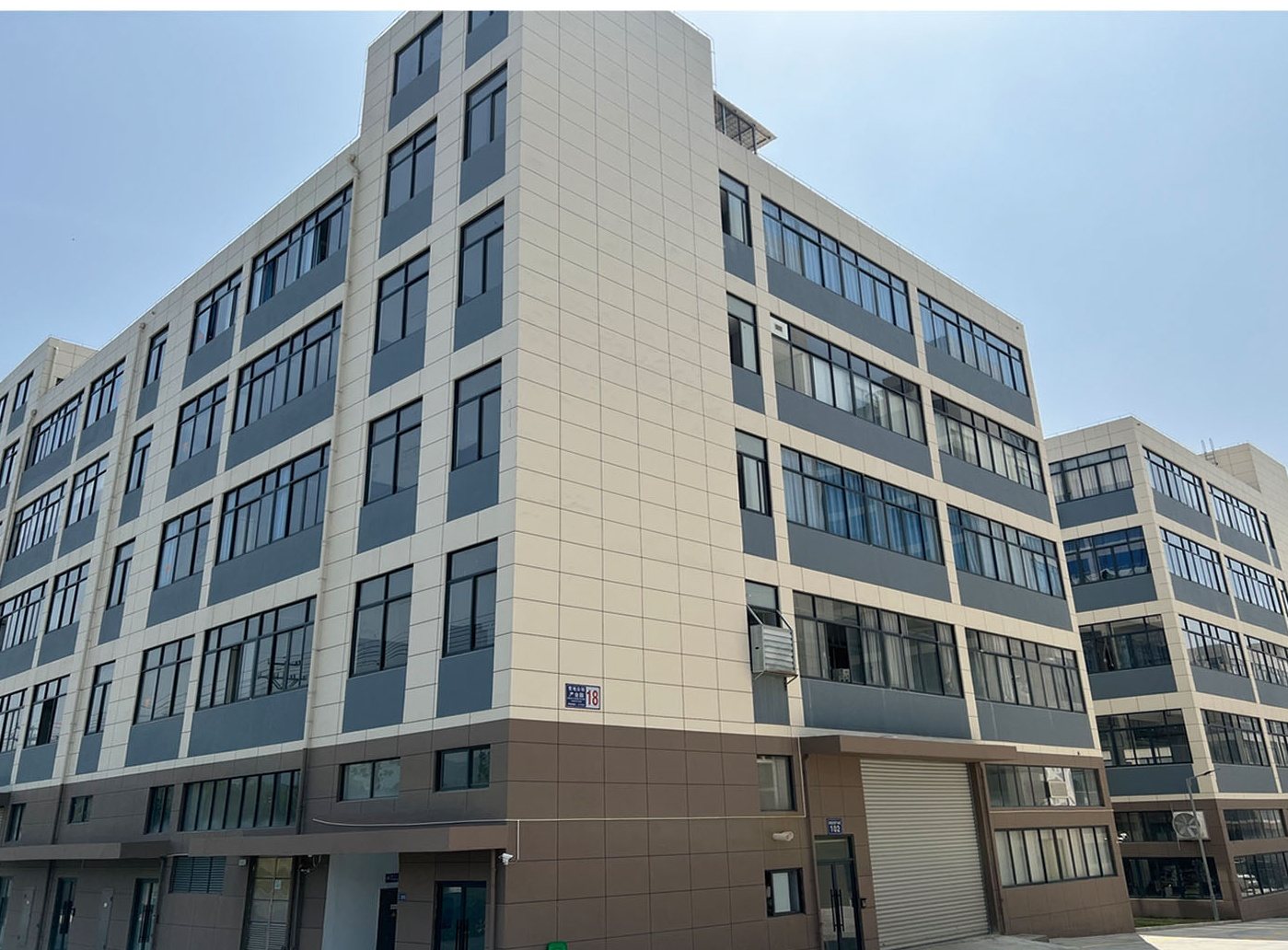
Building 18, Hongdi Zhongchuang Industrial Park
Our production facility in Tantou Town, Tiantai County. Building number 18 is visible on the corner of the block.
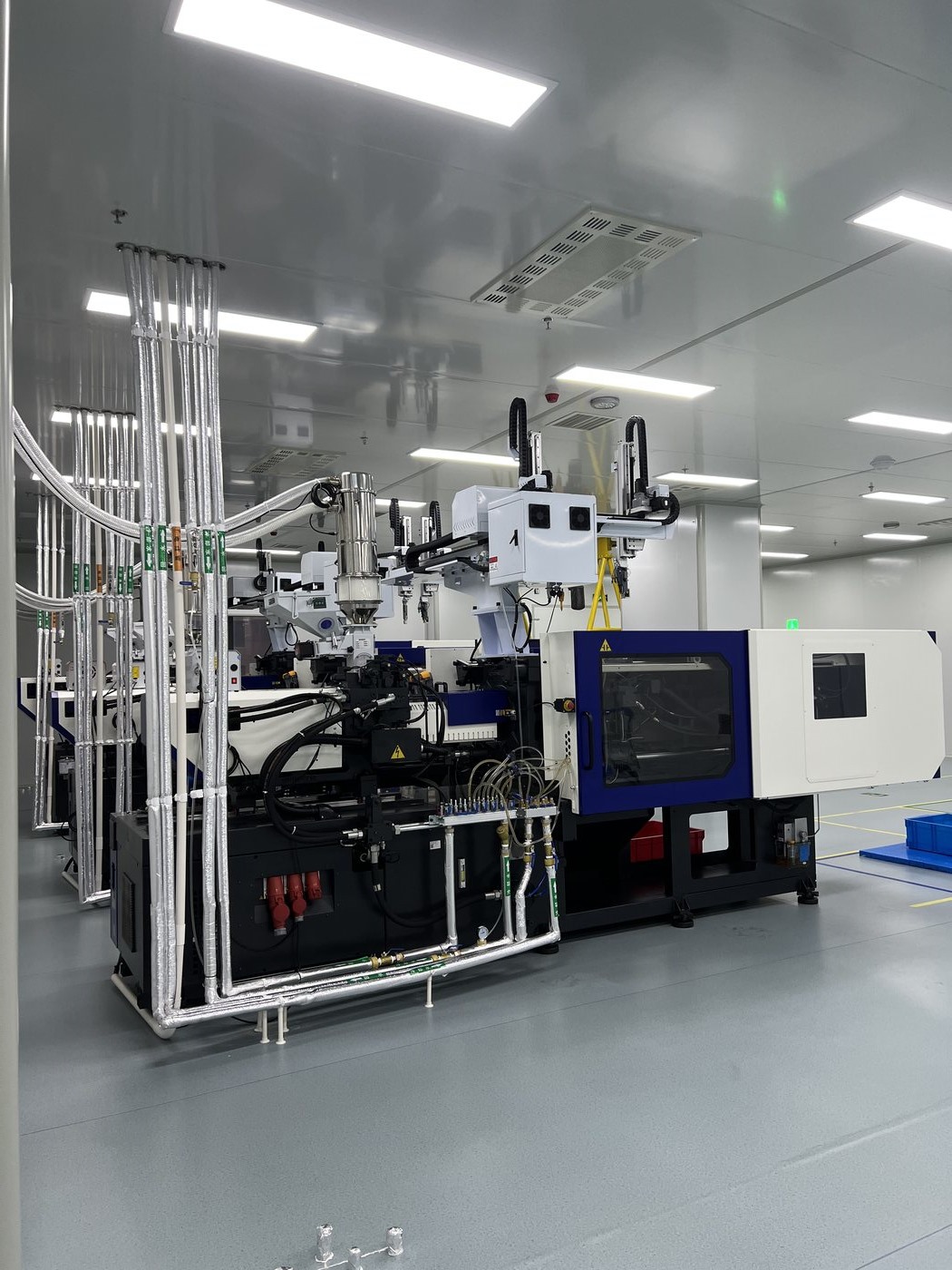
Injection Moulding Cell
Moulding machine with robotic take-out, running in a controlled-environment workshop for medical-grade components.
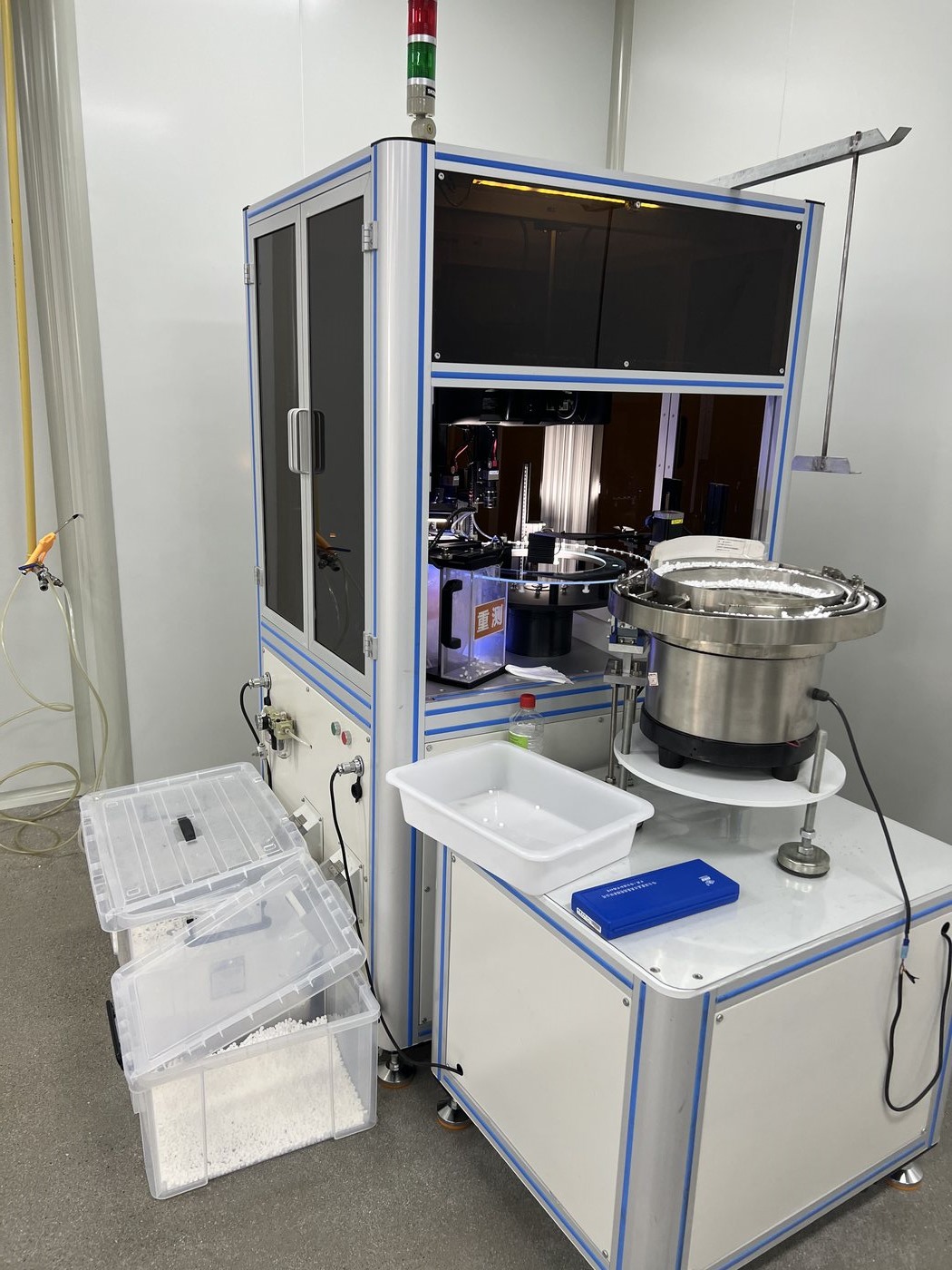
Automated Vision Inspection
Machine-vision sorting station checking sintered elements for dimensional and surface defects before packing.
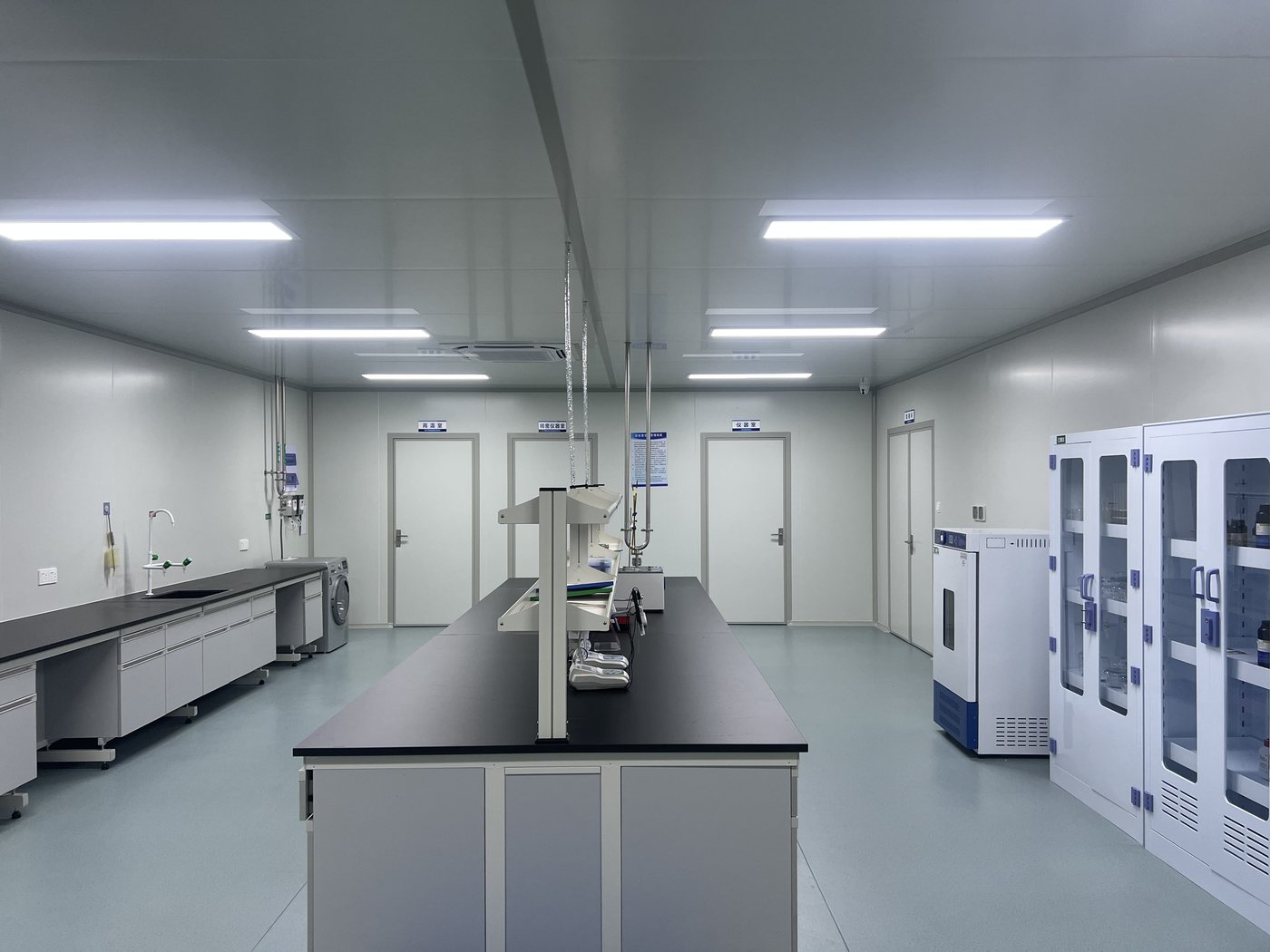
Testing Laboratory
In-house lab with dedicated high-temperature, precision-instrument and analysis rooms for bubble point and permeability verification.
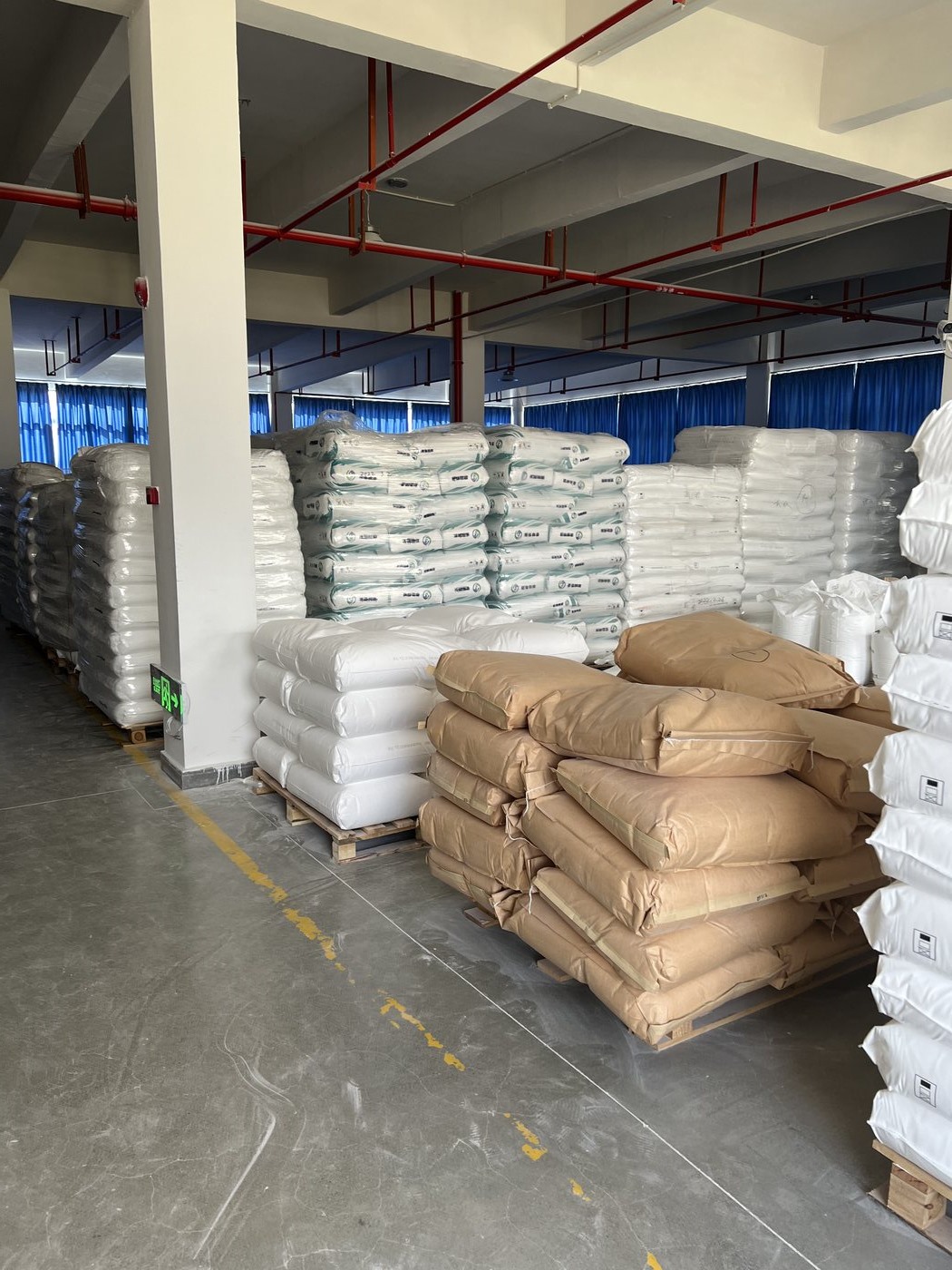
Raw Material Store
Bagged polymer powder and metal feedstock on pallets, held under sprinklered storage with marked traffic lanes.
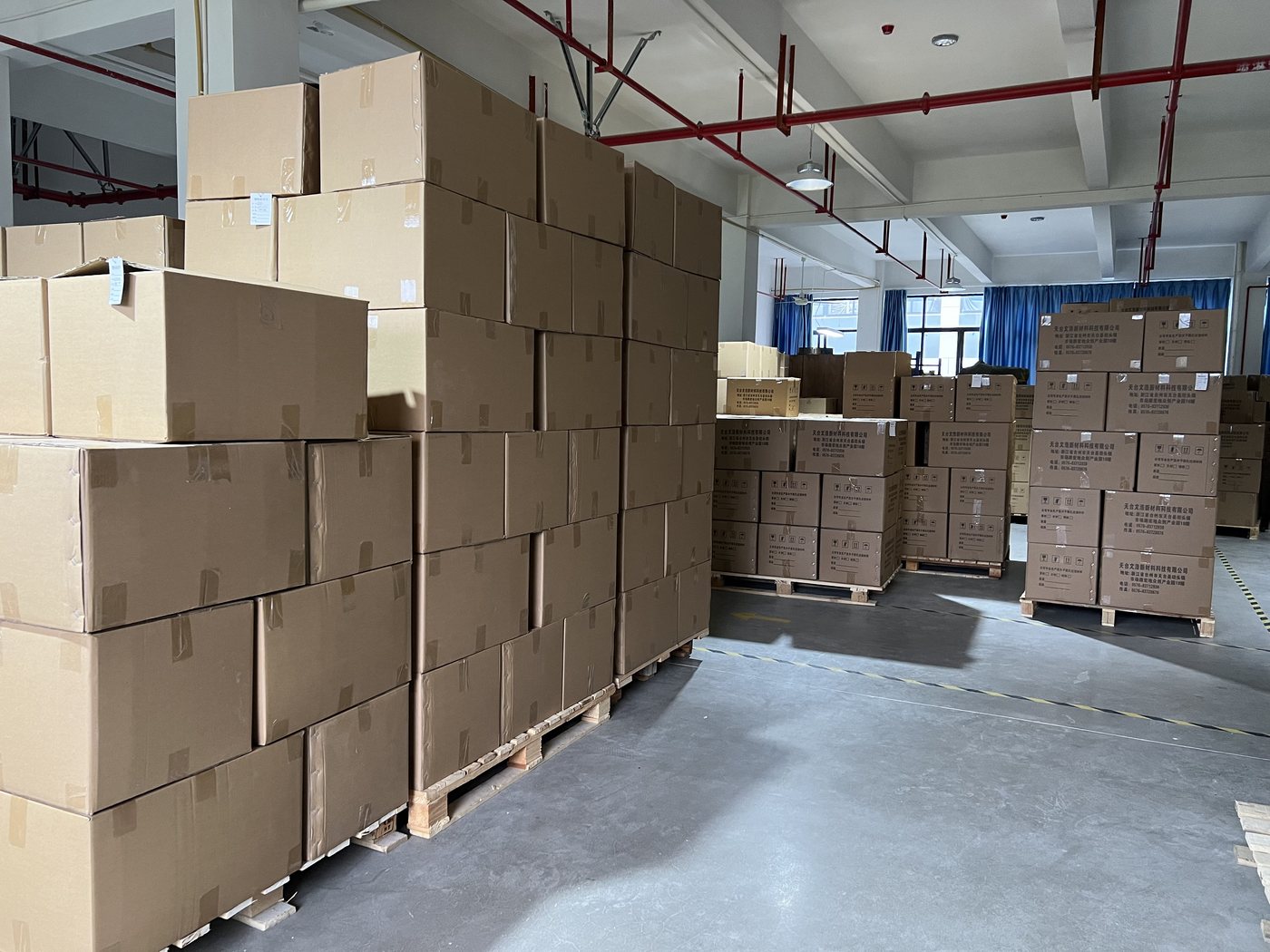
Finished Goods Warehouse
Palletised stock staged for export. Cartons carry our own group imprint and the Building 18 address shown above.
Video walkthroughs and live video calls with the production floor are available on request. We welcome buyer audits and third-party inspections at any stage.
From Enquiry to Series Production
Most projects reach us as a performance problem rather than a part number. This is the sequence we follow to turn operating conditions into a manufacturable element.
Requirement Analysis
Operating medium, temperature, flow rate, target retention and housing constraints are captured before any material is proposed.
Material Selection
Polymer or metal base is shortlisted against chemical compatibility, temperature ceiling and regulatory requirements.
Tooling & Prototyping
In-house mould development produces samples matched to your existing housing geometry, typically within two to three weeks.
Verification Testing
Bubble point, air permeability, burst pressure and particulate shedding are measured against the agreed specification.
Series Production
Approved specifications move to batch production with per-lot verification records supplied on request.
Laboratory
Verification
Every batch of polymer microporous filtration material undergoes rigorous bubble point and flow rate verification to ensure 100% adherence to specifications.
Request Test ReportVerifies the largest pore in the element and confirms the absolute rating.
Measures pressure drop across the media at defined flow rates.
Establishes the structural limit before deformation or rupture.
Confirms the element itself does not contaminate the downstream fluid.